Indian Stock Video vs Pixabay: Free vs Authentic Indian Footage
Picking stock footage isn't just about grabbing something free. For creators working on Indian projects, the real question is whether the clip matches the place, the people, and the feel of what you're actually making.
Pixabay does a solid job when you just need a video something free and workable. But the moment your project calls for a real Indian city, a specific festival, a recognizable monument, or everyday Indian life, generic footage starts falling short. That's where authentic Indian stock footage earns its keep.
So which one should you reach for free clips from Pixabay, or India-specific footage from Indian Stock Video?
It really comes down to your project, how visually specific it needs to be, and how much the "India" in your video needs to actually look like India.
So What Actually Separates the Two?
Pixabay pulls from a massive, global pool of free contributors. Indian Stock Video is built specifically around footage shot in India. That's the core split, and it shapes almost everything else.
Pixabay is a great fit for the everyday stuff — nature shots, office scenes, tech visuals, lifestyle clips, generic backgrounds, people going about their day.
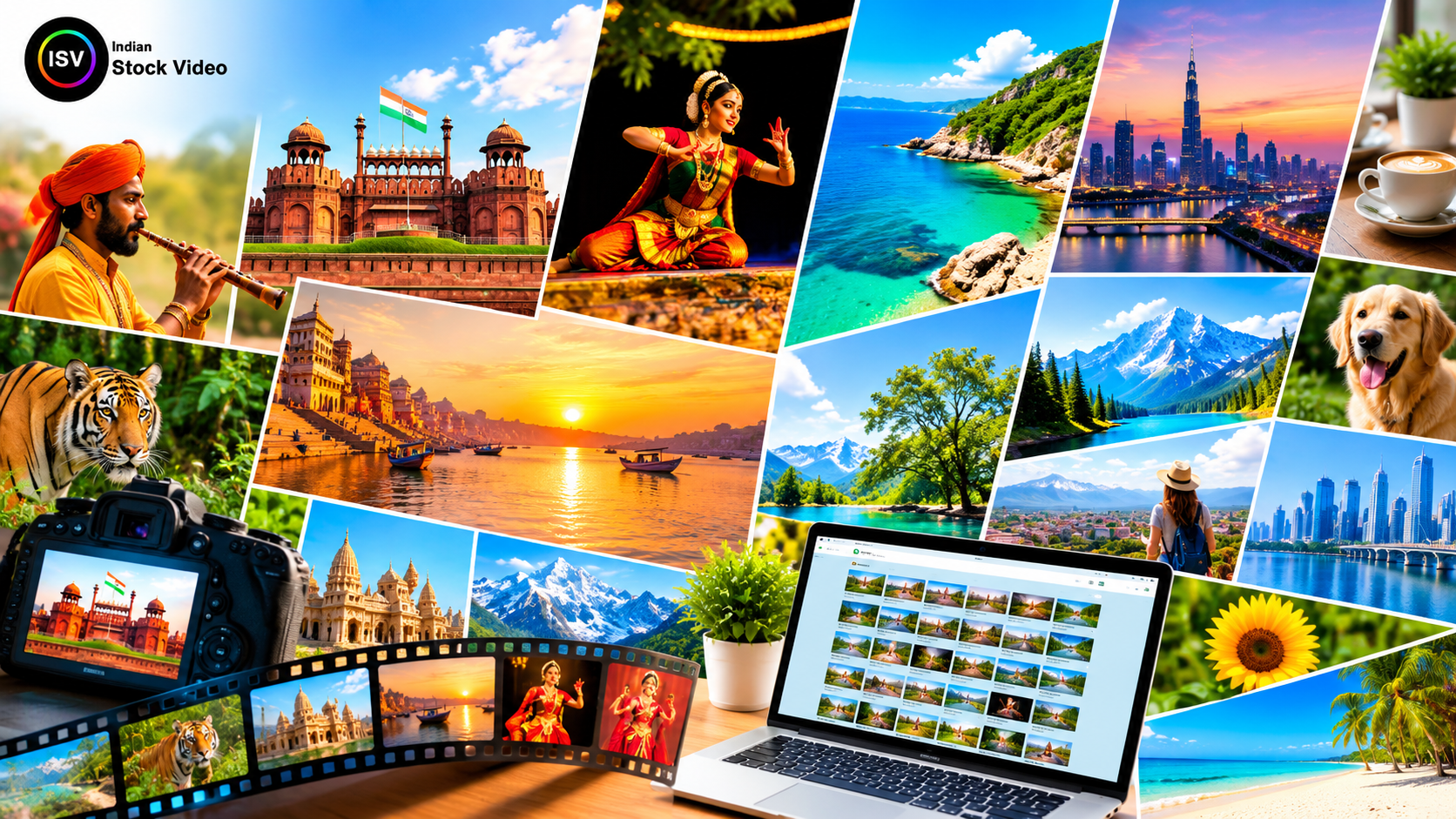
Indian Stock Video, on the other hand, is built around Indian subject matter: cities, monuments, festivals, temples, streets, architecture, landscapes, drone shots — the visual identity of India itself.
That difference matters most when your video needs to say, clearly, "this is India" — or more specifically, "this is Lucknow" or "this is Prayagraj."
A travel video about Lucknow needs Lucknow's own streets and buildings, not a city that could pass for anywhere. A documentary touching on the Kumbh Mela needs footage of the actual event, not stock crowd shots that could belong to any religious gathering.
Is "Free" on Pixabay Really the Full Story?
Pixabay's biggest draw is obvious free media. That's genuinely useful if you're a student, a new YouTuber, a blogger, or a business working with a tight budget.
But free doesn't automatically mean right for your video.
It's worth checking the license on each clip and, more importantly, asking whether the footage actually fits what you're building. A free clip might cost nothing, but if it doesn't show the right setting, the right people, or the right cultural context, you'll end up spending time hunting for something better or editing around what you've got.
For a plain background shot, none of this matters much.
For anything tied to a specific place, it matters a lot.
Why Bother With Authentic Indian Footage at All?
Because when the location is the story, generic visuals just don't land the same way.
Say you're making a YouTube video about Delhi. Stock shots of "some city" with traffic and buildings get the point across, technically. But footage of India Gate, the Red Fort, Connaught Place, the Delhi Metro, or a street you'd recognize instantly gives viewers something to anchor to.
Also Read: Top 5 Free Stock Video Websites in 2026
Same logic applies everywhere else. A Rajasthan travel piece needs forts, desert landscapes, bustling markets, and traditional buildings. A Varanasi documentary needs ghats, temples, boats on the river, and pilgrims not stand-ins.
These aren't just pretty backdrops. They're part of how the story gets told.
What Kind of Footage Are Indian Creators Actually Searching For?
Most searches come down to a location, a subject, an event, or a particular style. Common ones include:
1. City footage from major Indian cities
2. Aerial and drone shots of India
3. Monument and landmark footage
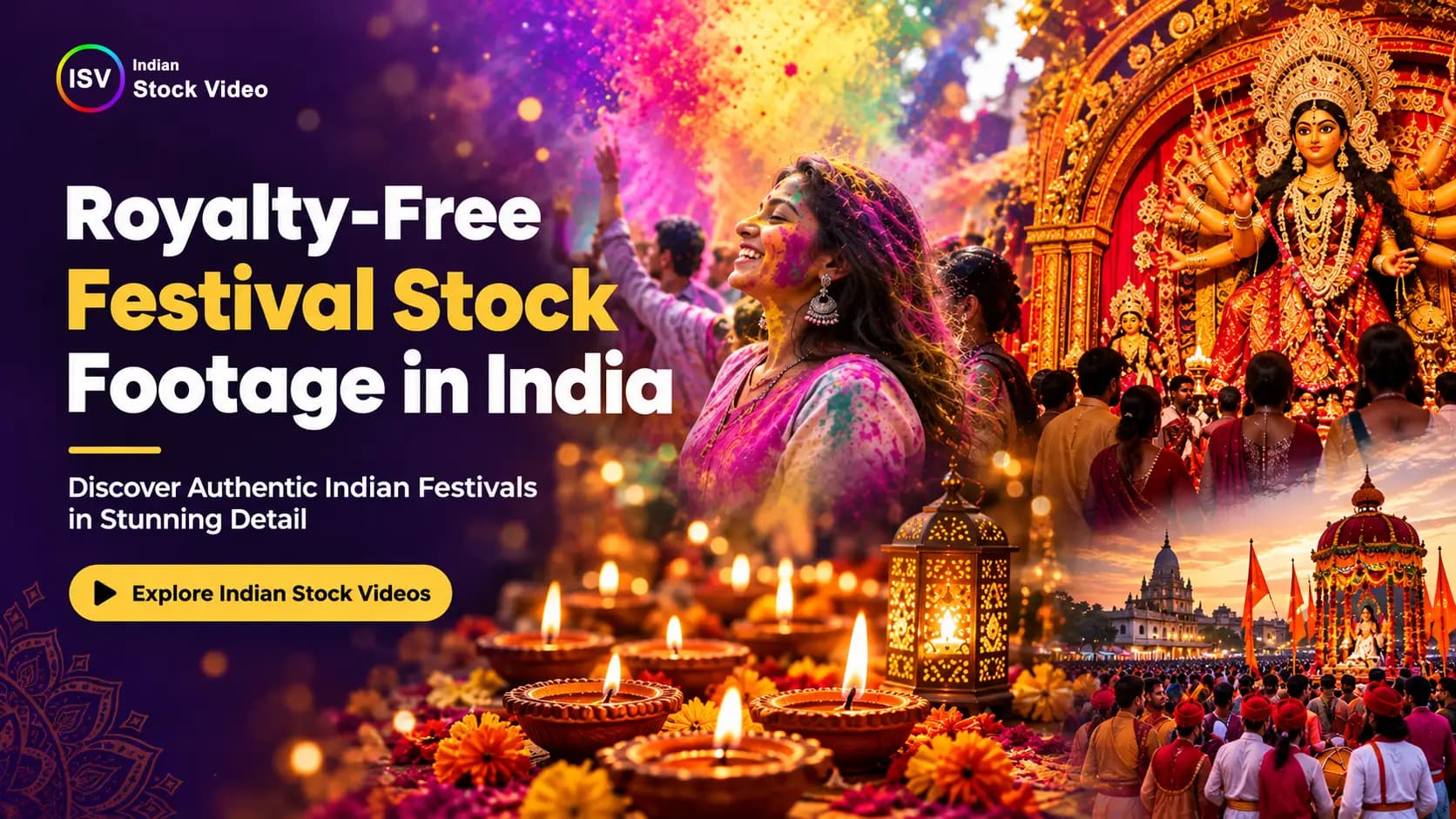
5. Festival footage
6. Religious and cultural scenes
7. Travel and tourism clips
8. Street-level footage
9. Traffic and transit shots
10. Rural and landscape footage
11. Architecture-focused clips
12. Everyday Indian lifestyle footage
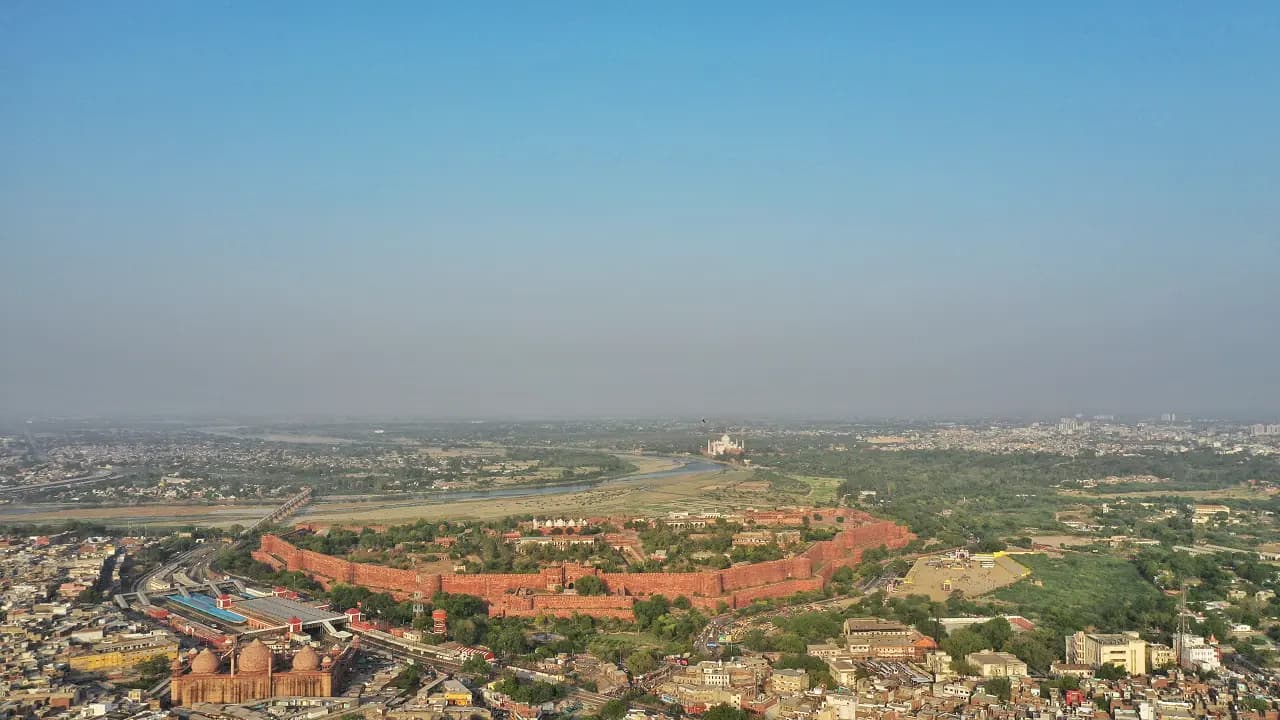
Someone searching for Lucknow stock footage, for example, probably wants aerial views of the city, its older architecture, busy intersections, the railway station, parks — not a stand-in city that vaguely resembles it.
Head-to-Head: Which One Fits Your Project?
Pixabay wins on free, general-purpose footage nature, offices, backgrounds, everyday visuals. But for anything India-specific cities, landmarks, festivals, aerial shots, authentic cultural moments it's hit or miss.
Indian Stock Video flips that. It's not built for broad, free content, but for Indian locations and culture, it's the more reliable, purpose-built choice.
Basically: general footage, go Pixabay. Authentic Indian footage, go Indian Stock Video.
The takeaway isn't "one platform beats the other." It's that your footage should match what your project is trying to say.
When Pixabay Makes Sense
If your video doesn't hinge on a specific Indian location, Pixabay is often all you need.
Think videos about:
1. Digital marketing
2. AI and tech
3. Fitness
4. Business and productivity tips
5. General education
6. Abstract or design-heavy content
If you just need a laptop shot, a generic office, a nature backdrop, or an animated background, there's no real payoff in hunting down India-specific footage.
It's also a solid starting point if you're testing out a new channel or working with next to no budget.
When Indian Stock Video Makes More Sense
This is where things shift once location and authenticity start driving the story.
Think:
1. Travel videos set in India
2. Tourism campaigns
3. City guides
4. Documentaries
5. News and editorial pieces
6. Travel-focused YouTube channels
7. Festival coverage
8. Cultural documentaries
9. Real estate videos
10. Educational content
11. Ads and commercials
12. Film and production work
13. Destination marketing
If your script mentions Mumbai, people expect to actually see Mumbai. If you're talking about Jaipur, Jaipur footage makes the whole thing more believable. If the topic is the Kumbh Mela, real footage of the event beats generic crowd shots every time.
Does Authentic Footage Actually Improve a Video?
In most cases, yes because it ties the visuals directly to what's being said?
Picture a travel video where the narrator says, "Lucknow is known for its historic architecture and cultural roots." If the screen shows an actual Lucknow landmark at that moment, the viewer connects instantly. No explaining required.
Same idea applies across documentaries and promotional videos. Real footage tends to:
1. Ground the viewer in the actual location
2. Reinforce what's being said
3. Make the video feel more credible
4. Give people something recognizable to latch onto
5. Cut down on the need to over-explain the visuals
That said, not every video needs premium, hyper-specific footage. The point is choosing based on story fit not just whichever option is cheapest.
Can You Use Indian Stock Footage on YouTube?
Yes as long as you're sticking to the license terms attached to each clip.
Common YouTube uses include:
1. Travel videos
2. News explainers
3. Historical content
4. City guides
5. Educational videos
6. Documentary-style storytelling
7. Shorts
8. Background and B-roll footage
9. Intros and transitions
A travel creator, for instance, might blend their own narration and footage with maps, photos, and India-specific stock clips to round out a destination video. Just double-check usage rights before publishing anything commercial.
Is This Useful for Agencies and Production Houses Too?
Definitely. When a production team needs a quick shot of Delhi from above, a specific festival, a particular monument, or a busy street scene, speed matters.
Searching a broad, global platform often means sifting through a lot of unrelated results. A platform built specifically around Indian footage tends to surface relevant clips faster.
This is especially handy when a shoot doesn't have the time or budget to capture every location firsthand stock footage can fill the gaps alongside original production work.
What to Check Before You Download Anything
Don't stop at the thumbnail. Look at:
Location: Is this actually the place you need?
Quality: Will the resolution hold up in your final cut?
Framing: Does the composition work with your edit?
Length: Is there enough usable footage to work with?
Camera movement: Does it suit the pacing of your project?
Licensing: Are you actually allowed to use it the way you plan to?
Commercial rights: If this is for a client, an ad, or a business, confirm the license covers that.
A quick check now saves a headache later.
How to Actually Find Authentic Indian Footage
Skip the broad searches. Instead of typing "India stock video" and hoping for the best, get specific:
1. Delhi stock footage
2. Mumbai stock footage
3. Lucknow stock footage
4. Jaipur stock footage
5. Varanasi stock footage
6. Prayagraj stock footage
7. India Gate stock footage
8. Kumbh Mela stock footage
9. Indian temple stock footage
10. Indian aerial footage
The more specific the search, the more relevant the results.
Indian Stock Video is built around exactly this — cities, landmarks, culture, festivals, travel destinations, and aerial footage across India.
So, Pixabay or Indian Stock Video?
It really comes down to the project in front of you.
Need general footage and want to keep costs at zero? Pixabay works fine.
Need a specific Indian city, a real landmark, a genuine festival, or an authentically Indian setting? An India-focused platform will serve you better.
And honestly plenty of creators use both. There's nothing wrong with pairing a free generic background clip from one source with an authentic Indian location shot from another in the same video.
The goal is simple: let the story decide the footage, not the other way around.
Frequently Asked Questions
1. Is Indian Stock Video better than Pixabay for Indian footage?
Indian Stock Video focuses on authentic Indian locations, landmarks, culture, festivals, and cities. Pixabay offers a broader collection of free stock footage, but location-specific Indian footage may be harder to find.
2. Is Pixabay free for YouTube videos?
Pixabay offers many free stock videos, but always check the license and usage conditions before using footage in YouTube, commercial, advertising, or client projects.
3. Where can I find authentic Indian stock footage?
You can find authentic Indian stock footage on India-focused platforms such as Indian Stock Video, with footage covering cities, monuments, festivals, culture, landscapes, and aerial locations.
4. Should I use free or authentic Indian stock footage?
Use free footage for general visuals and backgrounds. Choose authentic Indian stock footage when your video needs specific Indian locations, landmarks, festivals, culture, or recognizable city environments.
Conclusion
For Indian creators, the real choice isn't free versus paid it's generic versus authentic.
Pixabay covers the basics well: backgrounds, everyday visuals, general-purpose clips. But when your project depends on a real Indian setting, a landmark people recognize, or a cultural moment that needs to feel genuine, authentic Indian stock footage does the heavier lifting.
Start with what your video actually needs. Figure out the location or subject, then pick footage that supports the story rather than just filling space.
If you're after Indian city footage, landmark shots, aerial views, festivals, or cultural visuals, Indian Stock Video is built for exactly that — search by the specific place or subject you need.